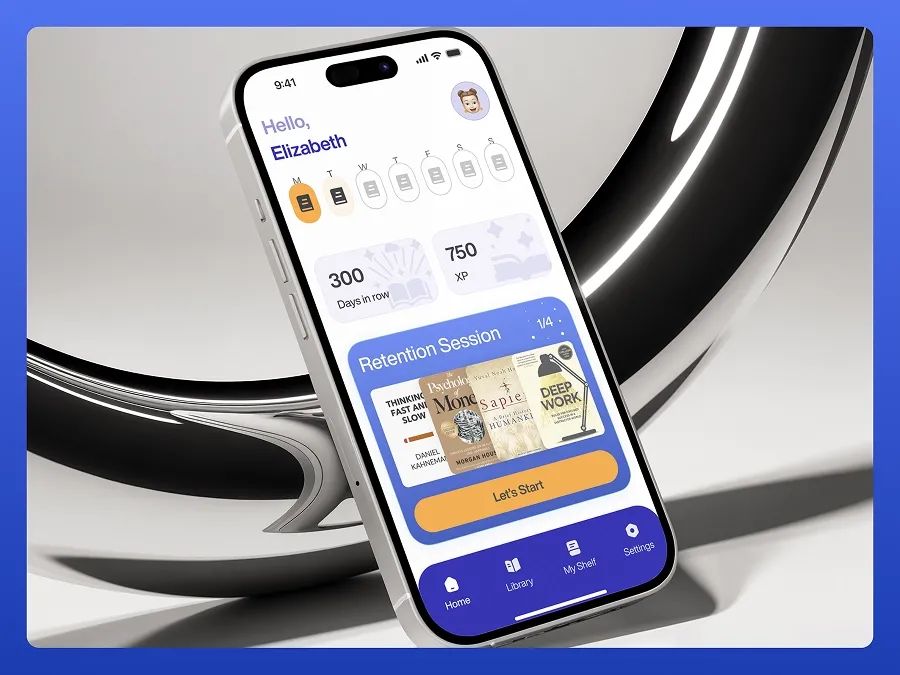
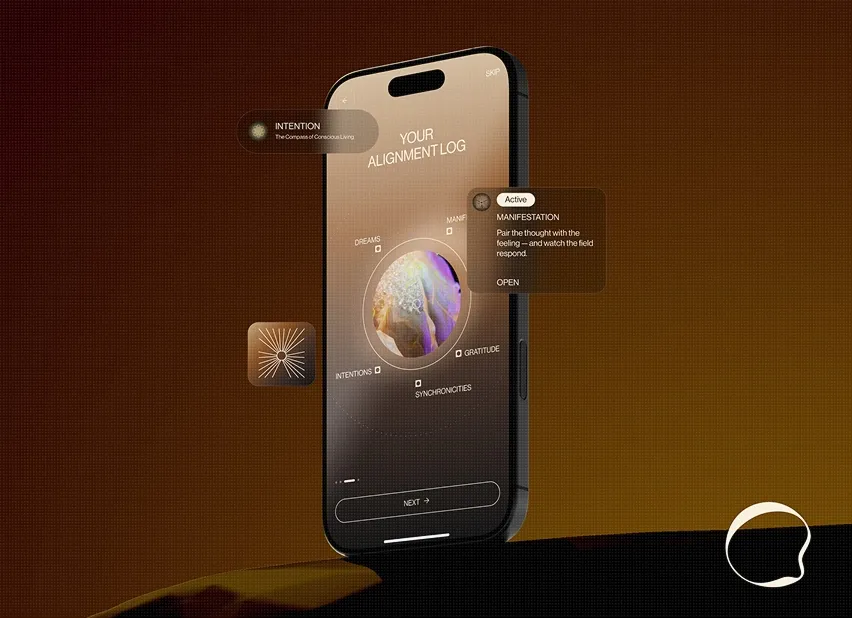
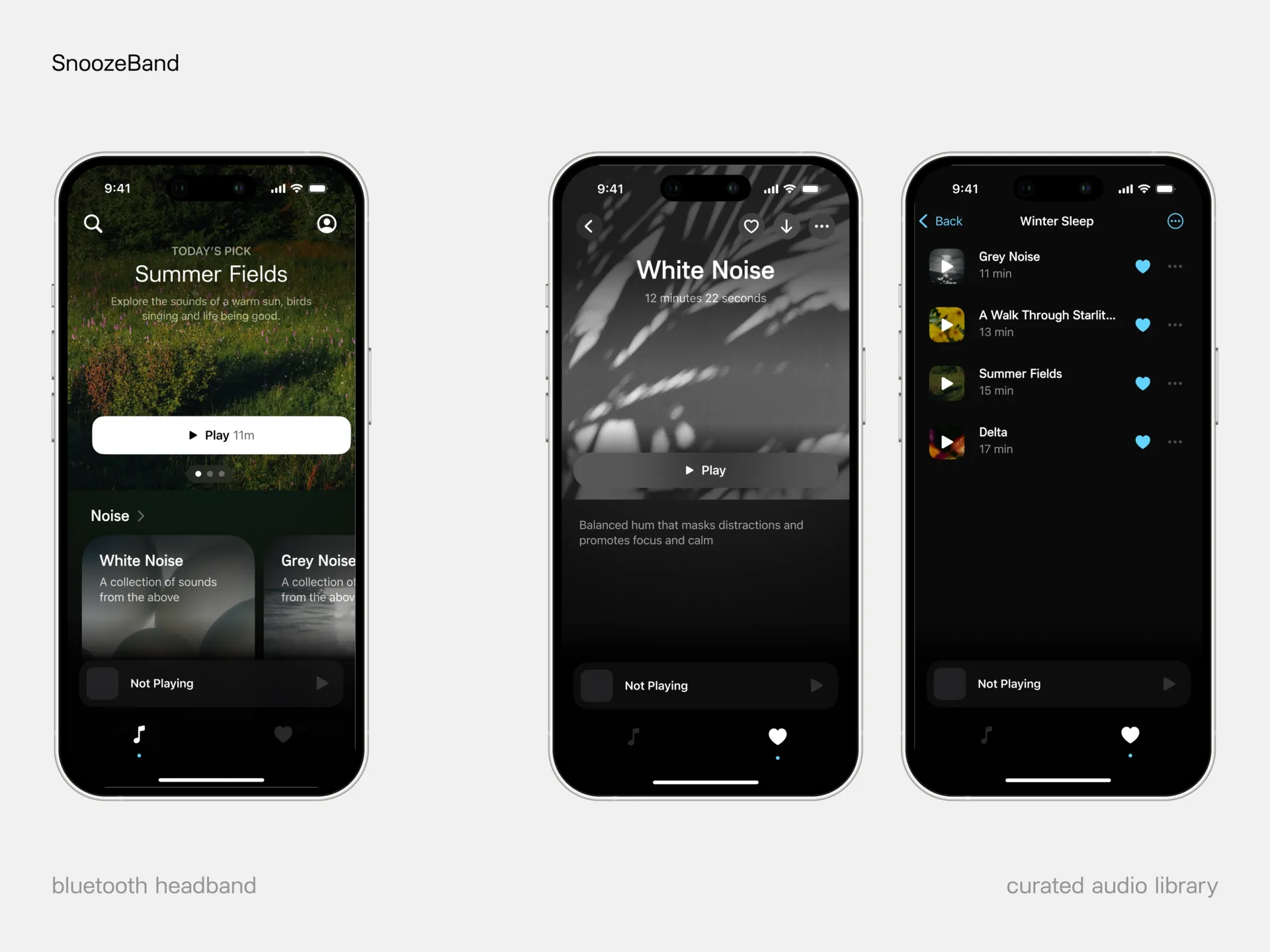






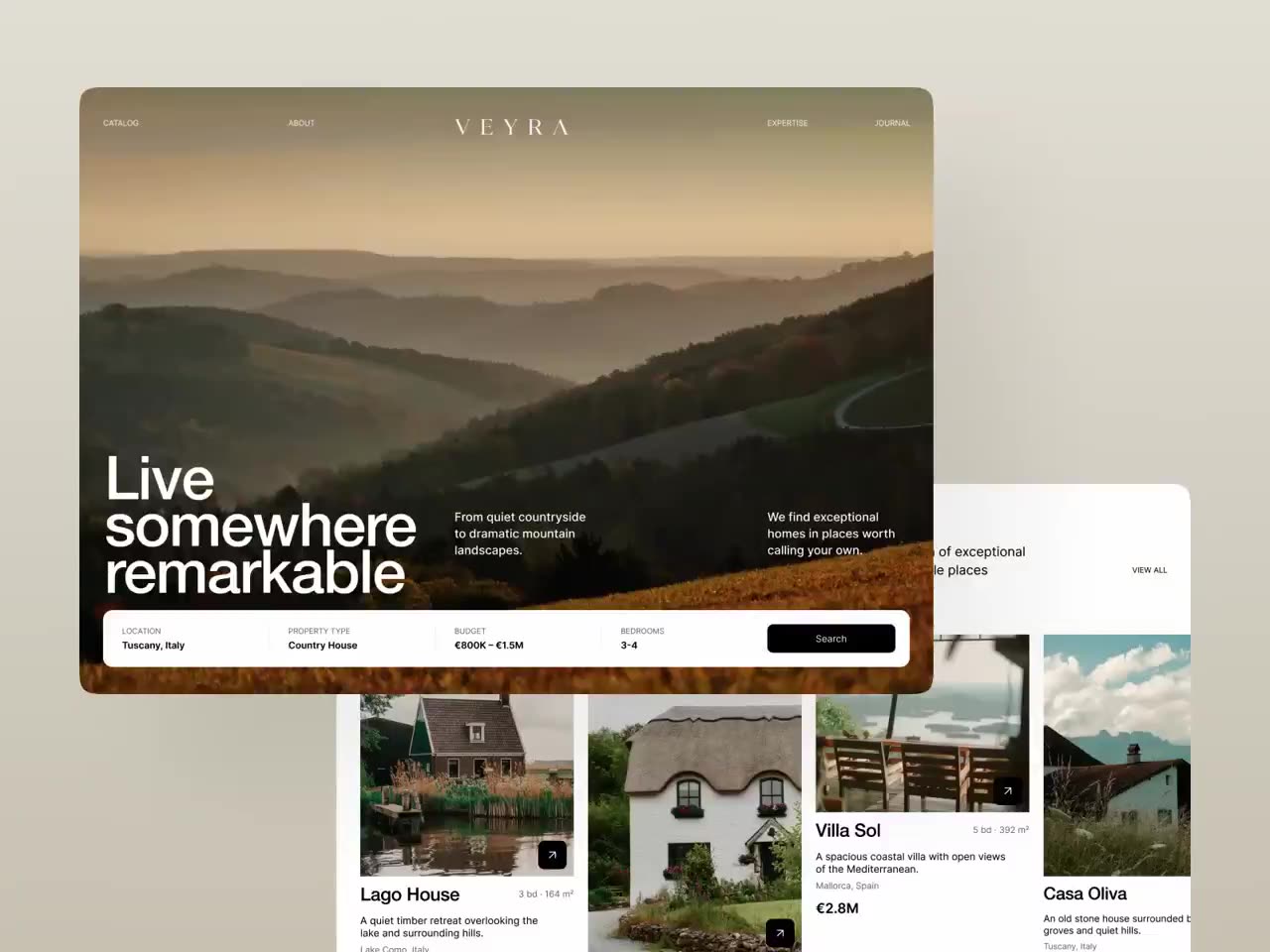
Two businesses can launch a website the exact same week, spend roughly similar amounts of money, and end up with results that aren’t even close. Custom sites report 40% faster load times and 45% higher conversion rates than template-based sites, which is a wide enough gap to change how a business actually performs online, not just how it looks.
That gap is exactly why the custom website vs template decision deserves more thought than picking whatever loads fastest in a Google search. Custom website design and a template website solve the same basic problem in very different ways, and the right choice depends entirely on what a business actually needs, not which option sounds more impressive.
What Is Custom Website Design?
Custom web design means the layout, functionality, user journey, and technical structure are all built specifically around one business rather than adapted from something built for thousands of others. Nothing is reused from a generic starting point. Every page, interaction, and design decision in custom website development is made with that company’s audience, goals, and brand in mind, from the first wireframe through the final line of code.
What Is a Template Website?
A template website starts from a prebuilt theme or layout, usually through a platform like WordPress, Wix, Squarespace, or Shopify. Website templates offer a ready-made structure that gets customized with a business’s colors, content, and images, letting a site launch quickly without building the underlying design or code from the ground up.
Custom Website vs Template: Side-by-Side Comparison
The real question isn’t which option is objectively superior; it’s which one fits the goal in front of you. A business preparing to grow, compete on SEO, or build a distinct brand identity usually leans toward custom. A business that needs to launch quickly and validate an idea often does better starting with a template.
| Factor | Custom Website | Template Website |
|---|---|---|
| Initial Cost | Higher | Lower |
| Launch Speed | Longer | Faster |
| Design Freedom | Very High | Limited |
| Branding | Unique | Theme-dependent |
| SEO Control | Extensive | Platform-dependent |
| Performance | Can be optimized specifically | Depends on theme and plugins |
| Custom Features | High flexibility | Limited by platform |
| Maintenance | Requires technical support | Generally easier |
| Best For | Growing and established businesses | Simple sites and quick launches |
Reasons Custom Website Design Can Be a Better Business Investment
1. Build a Website Around Your Brand, Not a Prebuilt Layout
Custom website design gives a business a visual identity that isn’t shared with hundreds of other companies running the same theme. Every page structure, color choice, and layout decision supports brand positioning rather than fitting inside someone else’s template.
2. Create Better User Experiences and Conversion Paths
Custom web design allows a business to build the entire journey around specific actions — booking, quotes, purchases, inquiries, or sales — instead of adapting a generic layout after the fact.
3. Gain Greater SEO and Technical Control
Custom does not automatically rank better than a template. What custom website SEO offers is greater control over URL structure, page architecture, schema, internal linking, metadata, and content templates. Execution matters more than the label.
4. Improve Website Speed and Performance
Custom development can build only what the business needs, supporting stronger performance. A well-built template can still outperform a poorly developed custom site — execution is the real factor.
5. Add the Features Your Business Actually Needs
Custom website development services make it possible to add CRM integrations, booking systems, customer portals, APIs, payment systems, custom dashboards, advanced forms, and full ecommerce functionality without clunky workarounds.
6. Create a Website That Can Evolve With Your Business
Custom development supports new functionality, page types, integrations, and customer journeys without fighting a rigid template — avoiding a costly rebuild once the site outgrows its original scope.
Which Businesses Should Choose Custom Website Design?
- Growing service businesses that need conversion paths matched to their sales process.
- Ecommerce businesses with specific product, checkout, and integration needs.
- Established brands that need genuine brand differentiation.
- Businesses with complex integrations — CRM, ERP, booking platforms, portals, or custom APIs.
Why Choose LogoInvention for Custom Website Design?
- Custom website design expertise built around your goals, brand, and audience.
- Conversion-focused user experiences that move visitors toward action.
- SEO-ready architecture at the code level, not as an afterthought.
- Responsive and performance-focused development on every device.
- Flexible CMS and business integrations your team can manage daily.
- Ongoing website support as your business and needs evolve.
Final Thoughts
Choose a template if speed and budget matter most, requirements are simple, or you need a basic presence while you figure out next steps. Choose custom if the website should drive leads or sales, brand differentiation matters, you need unsupported functionality, SEO is a major channel, you need integrations, or the site should be a core asset for years.
The best website is not the one with the biggest development budget. It is the one that gives your business the right capabilities without creating unnecessary constraints. If that means a custom build, LogoInvention is ready to build it with you.
Frequently Asked
Is custom website design better than a template?
It depends on what you need. Custom wins for brand, scale, and unique functionality, while templates win for speed and budget on simpler sites.
Is a custom website better for SEO?
It offers more control. Custom builds allow cleaner code and faster load times, though a well built template can still perform well with the right setup.
How much does custom website design cost?
It varies widely by scope, typically starting in the low thousands and climbing with complexity, integrations, and page count.
Is a template website good for a small business?
Often, yes. A template works well for a small business that needs a quick, functional presence without a large upfront investment.
How long does a custom website take to build?
Usually several weeks to a few months, depending on complexity, features, and content/design work.
Can I switch from a template to a custom website later?
Yes — many businesses start with a template and move to custom once traffic, revenue, or brand needs outgrow it.